Access
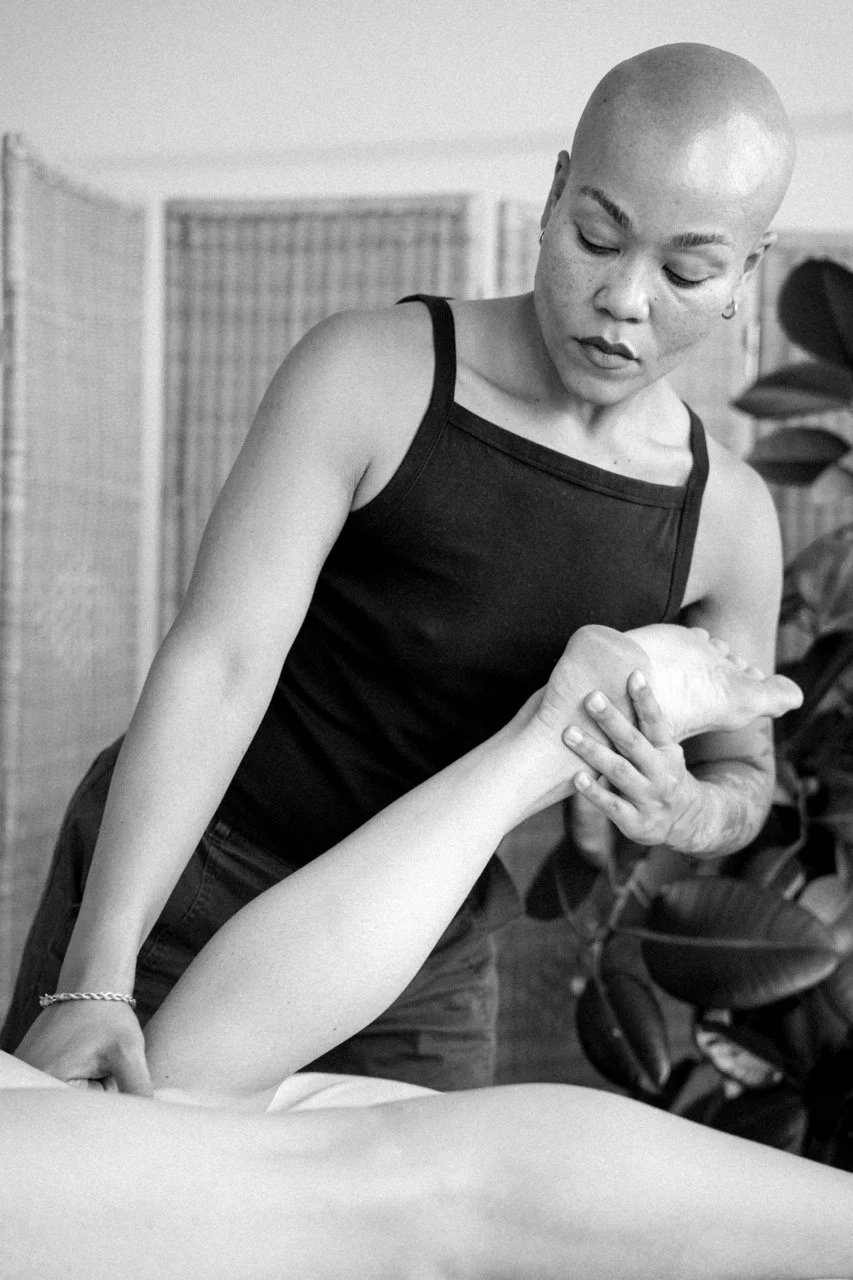
I'm currently the only practicing African-American Rolfer® in the United States. Fewer than five of us have ever been certified. My choice to work in this white-dominated field is an intentional disruption of who this work has been available to, and who has been able to enter it. For this reason, economic access isn't a side program for me. It's part of the point.
A goal of mine is to help people have access to themselves through functional and pain-free access to their bodies. Structural Integration through Rolfing is one avenue that leads to accomplishing that.
When talking about the structures of society, however, the United States has a history of, and a tendency to, ensure advantage to some groups while holding back others*. This practice shows up racially, economically, and in gender-based ways, among others. What this means for my practice is that some of the folks who are carrying the most burden, are least able to access me.
That is structural dysfunction of another kind (*and the definition of structural oppression).
ON WHY THIS MATTERS TO ME
Rolfing® Structural Integration has been developed around a particular idea of what a well-organized body looks like. That idea came from a specific set of European-descended bodies, with a specific aesthetic, and a specific history and ancestry. With such a narrow sense of what “neutral” or “functional” bodies can mean, what has been carried forward is literally, and figuratively, too narrow for much of the world of bodies to fit into.
Other practitioners inside this field have started noticing and speaking about the same thing. I'd point you toward Tristan Koepke's writing on it, if you were interested to know more. This article was published the summer of 2023, in the Rolf Institute's own journal.
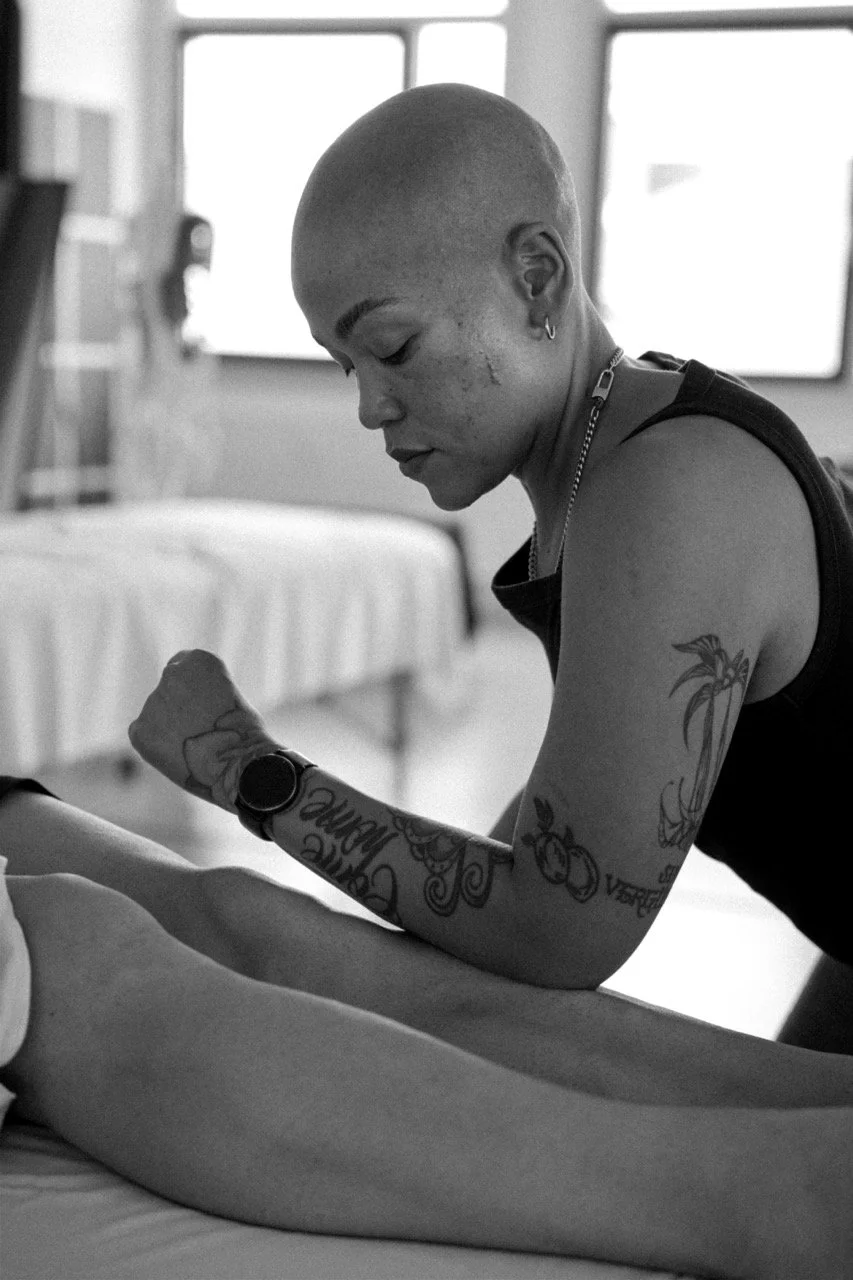
If a Rolfing® session feels financially out of reach for you right now, email me. I'd rather have a conversation than post a sliding scale. Tell me what's true for you and your situation and we'll find something that will work for both of us.
This issue is not uncomplicated. Building these skills and becoming certified has been an investment in my life’s work, and I'm not interested in going broke to give myself away. But I'm also clear about who has historically had access to this work and who hasn't. So, let’s talk. My email address is at the bottom of this page.
PAY IT FORWARD
Some people finish a Ten Series and want someone else to have it because they know it would help like nothing else. If that applies to you, you can put money toward that here.
Your contribution goes into a fund that I use to cover sessions for people who reach out to me with access needs. You are welcome to contribute any amount. No minimum, no tiers, nothing to sign up for. It is a one-time offering you’re making to help one community structurally integrate.
Currently, this contribution is NOT tax deductible.
UNIQUE BODIES
I have been working consistently with trans clients and clients over 200 lbs for the better part of the last 15 years. Each of these groups of people have bodies that fall outside the physical parameters many practitioners are trained to understand well.
Learning the structural nuances, and best practices with clients who are not represented in most anatomy and physiology texts, is a choice I have made to feel competent in my work with clients.
No one has the same body, or body story, as anyone else. I approach each client’s body with curiosity, and gratitude for the opportunity to help.
Feel free to email me with any questions you might have about how your unique body might benefit from a Ten Series with me.